Understanding Vitamin D Deficiency: A Guide for Parents

As parents, we do everything in our power to ensure our children grow up healthy, strong, and full of energy. We feed them nutritious meals, encourage them to play, and celebrate every growth milestone. But sometimes, despite our very best efforts, a child’s body might be missing a vital building block: Vitamin D.
At our clinic, Dr. Marlin and our pediatric endocrine team see Vitamin D deficiency every single day. It is one of the most common, yet most easily treatable, conditions we treat. We are here to help you understand what it is, why it happens so often in our region, and how we can easily fix it together.
What is Vitamin D and Why is it so Important?
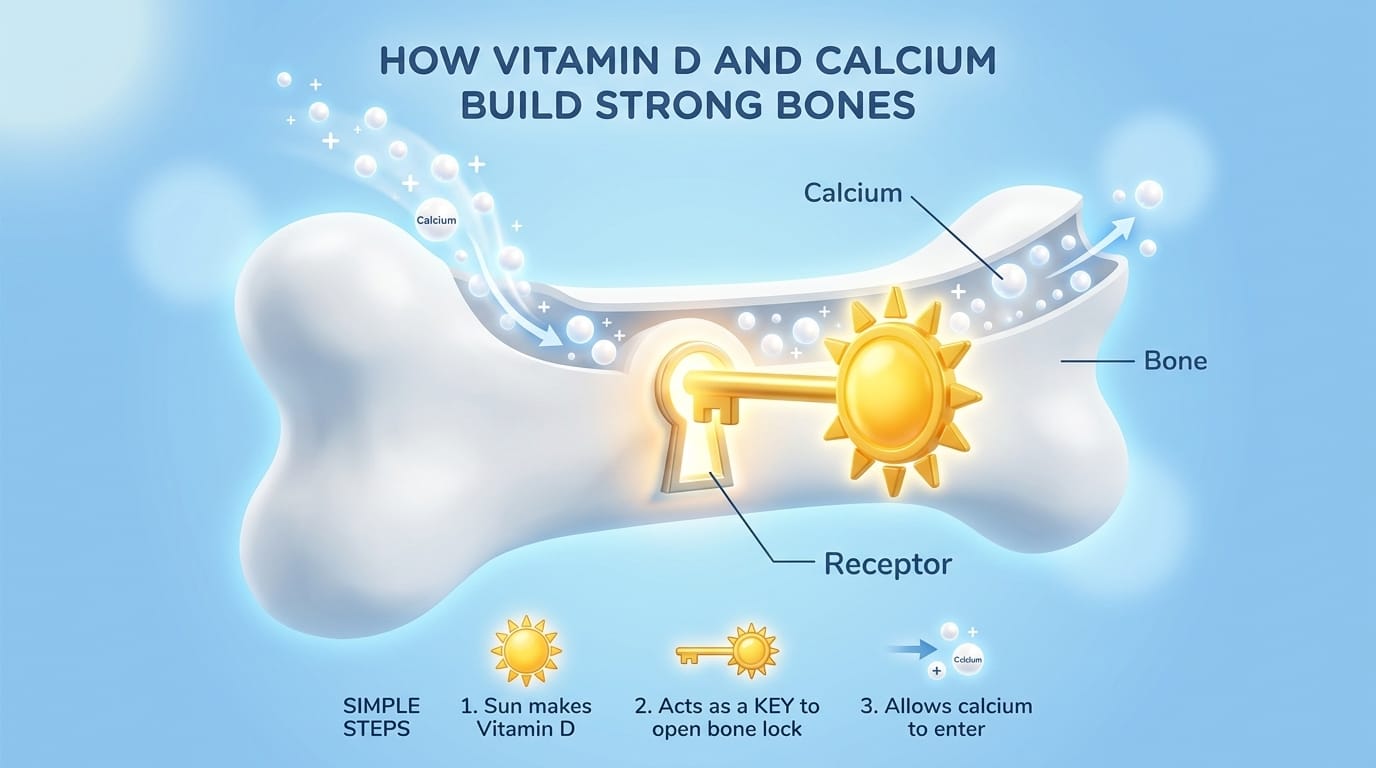
You can think of Vitamin D as the "key" that unlocks your child's ability to use calcium. Even if your child drinks plenty of milk and eats calcium-rich foods, their body cannot absorb that calcium without enough Vitamin D.
In a growing child, Vitamin D is absolutely essential for:
Building strong, solid bones and teeth.
Supporting healthy muscle function.
Boosting the immune system to help fight off common viruses and infections.
The Middle East Paradox: Why is it so Common Here?
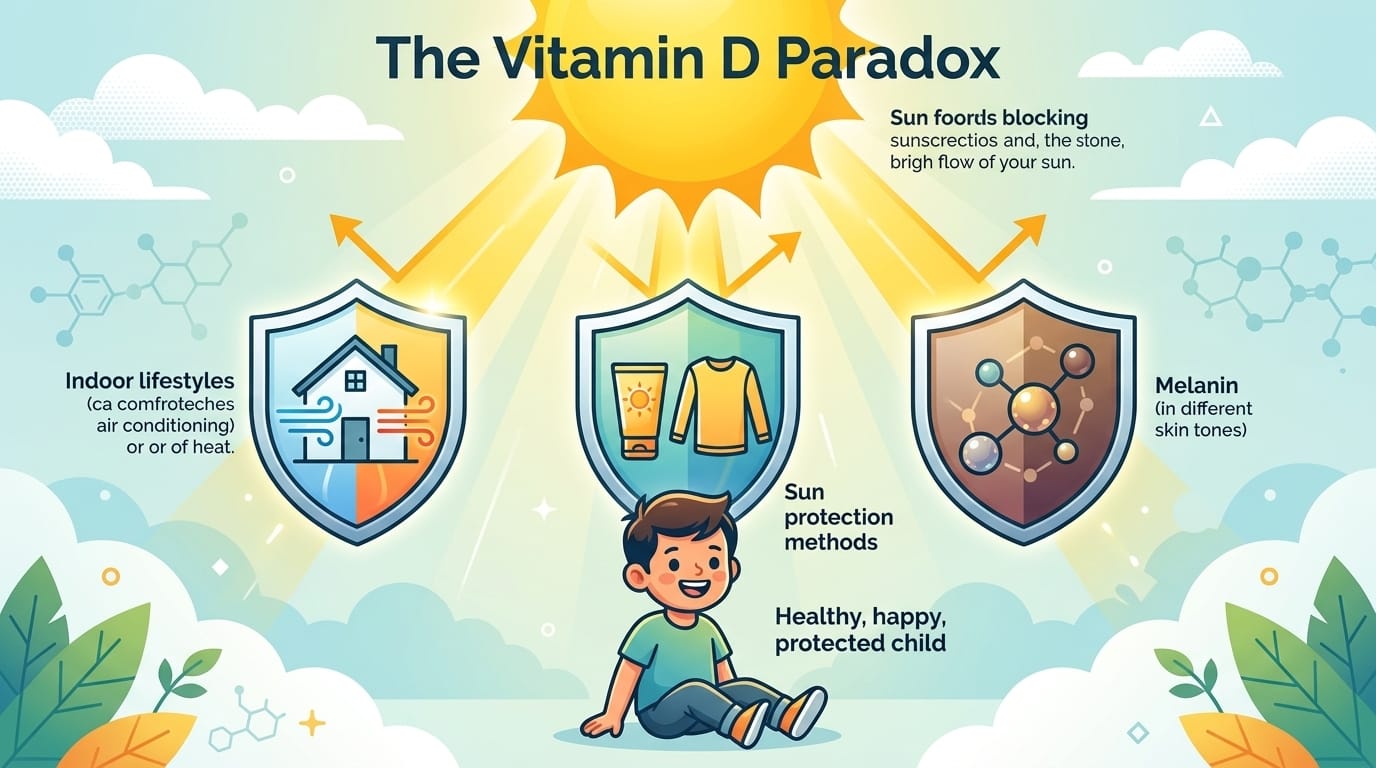
It might seem incredibly confusing that in Jordan, a country blessed with beautiful sunshine for most of the year, Vitamin D deficiency is actually a widespread issue. In fact, studies show that a large majority of children and adults in the Middle East have lower-than-ideal levels.
How does this happen? The body makes Vitamin D naturally when bare skin is exposed to direct sunlight. However, our local lifestyle and environment create a perfect storm for low Vitamin D:
The Heat: During our long, hot summers, children naturally (and safely!) spend most of their time indoors in the air conditioning, or they play outside only after the sun has set.
Sun Protection & Modesty: When we do go out, we protect our children with sunscreen, or they wear modest clothing that covers their arms and legs, blocking the UV rays needed to make the vitamin.
Skin Tone: People with beautifully naturally darker skin have more melanin, which acts like a natural sunblock. This means their bodies require significantly more time in the sun to produce the same amount of Vitamin D as someone with very fair skin.
Dietary Limits: Very few foods naturally contain enough Vitamin D to meet a growing child's daily needs.
Spotting the Signs: What to Look For
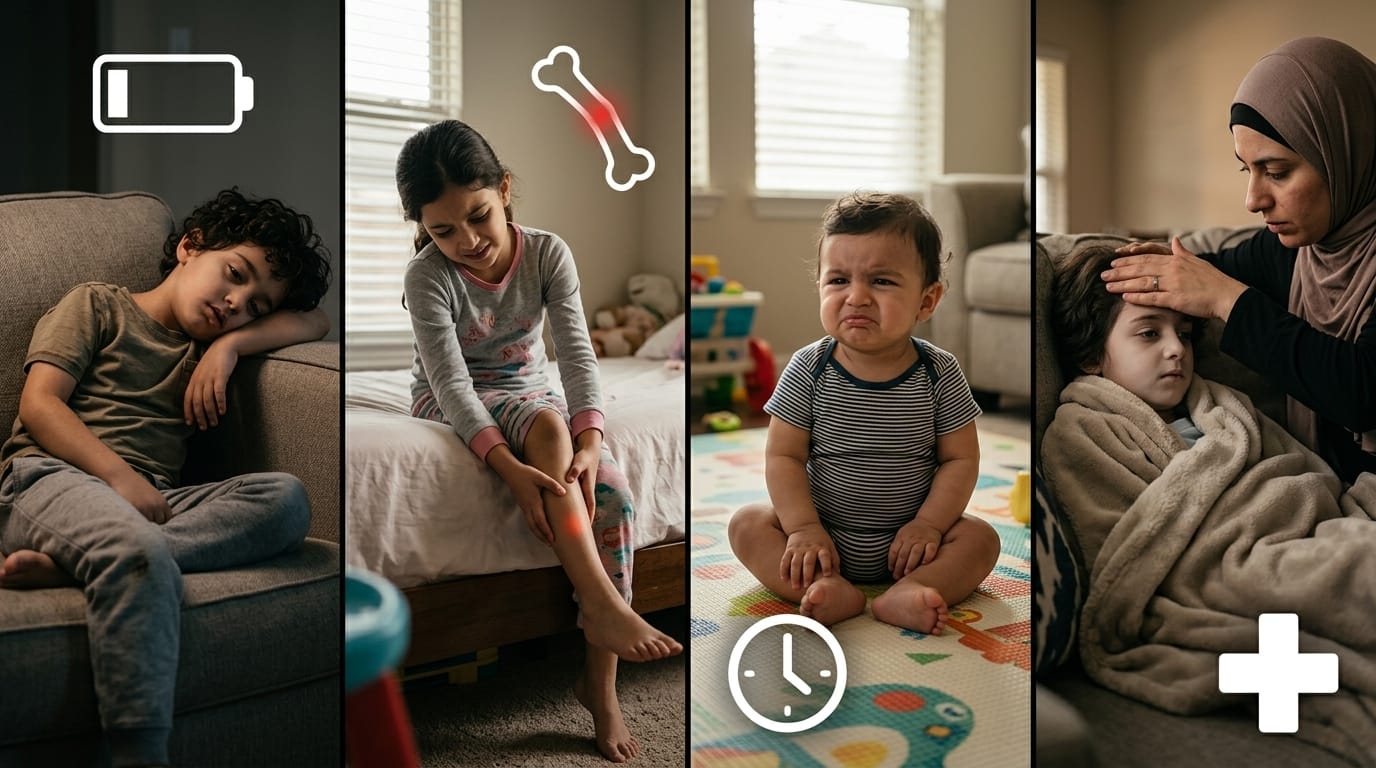
In the early stages, Vitamin D deficiency is completely silent—your child might not show any symptoms at all. When signs do appear, they can easily be mistaken for normal childhood phases.
Watch out for:
Unusual Fatigue: Your child seems constantly tired or lacks the energy to keep up with their friends.
Bone and Muscle Aches: Complaints of achy legs, weakness, or "growing pains" that seem more severe or frequent than normal.
Delayed Milestones: In infants and toddlers, a delay in sitting up, crawling, or walking.
Frequent Illnesses: Catching colds or infections more often than usual.
Note: If left completely untreated for a long time, severe deficiency can lead to a condition called Rickets, which causes the bones to become soft and bend (often seen as bowed legs). Fortunately, with early care, we rarely let it get to this point.
How We Find the Answers and Treat It

Diagnosing a Vitamin D deficiency is incredibly simple. If we suspect your child's levels are low, a quick, routine blood test will give us the exact numbers we need.
The treatment is just as easy and highly effective:
For Babies: We usually prescribe liquid Vitamin D drops that can be easily placed on the tongue or mixed into a bottle. (Breastmilk is wonderful, but it does not contain enough Vitamin D, so exclusively breastfed babies almost always need these drops!)
For Older Children & Teens: We can provide chewable tablets or tasty gummy vitamins to boost their levels back to a healthy range.
Once their levels are restored, we will work with you to maintain them through safe, brief sun exposure (just 10–15 minutes a day with arms and legs exposed during the milder morning hours) and a balanced diet.
A Note from Dr. Marlin Nino
It is incredibly common for parents to feel a sense of guilt when they find out their child is deficient in a vitamin. Please, let that guilt go. Living in Jordan, protecting our kids from the harsh midday sun is good parenting, and Vitamin D deficiency is simply a natural side-effect of our climate and modern lifestyles.
The wonderful news is that this is one of the easiest conditions to correct. Within just a few weeks of starting a simple supplement, parents usually tell me their child has more energy, fewer aches, and a brighter mood. We are here to run the tests, provide the right drops or vitamins, and watch your child grow up strong and healthy.