Understanding Your Child’s Thyroid: A Guide for Parents

As a parent, you want to make sure your child has all the energy and health they need to grow, learn, and thrive. Sometimes, if a child seems unusually tired, is growing slower than expected, or feels constantly anxious, the answer lies in a tiny, butterfly-shaped gland in their neck: the thyroid.
At our clinic in Jordan, Dr. Marlin and our dedicated pediatric team specialize in understanding and treating thyroid conditions. We are here to help you understand how this important gland works and how we can keep it healthy.
Meet the Thyroid: Your Child’s Internal Thermostat
Located in the front of your child’s neck, just below the voice box (larynx), the thyroid gland is small, about 5 centimeters (2 inches) wide, but incredibly powerful.
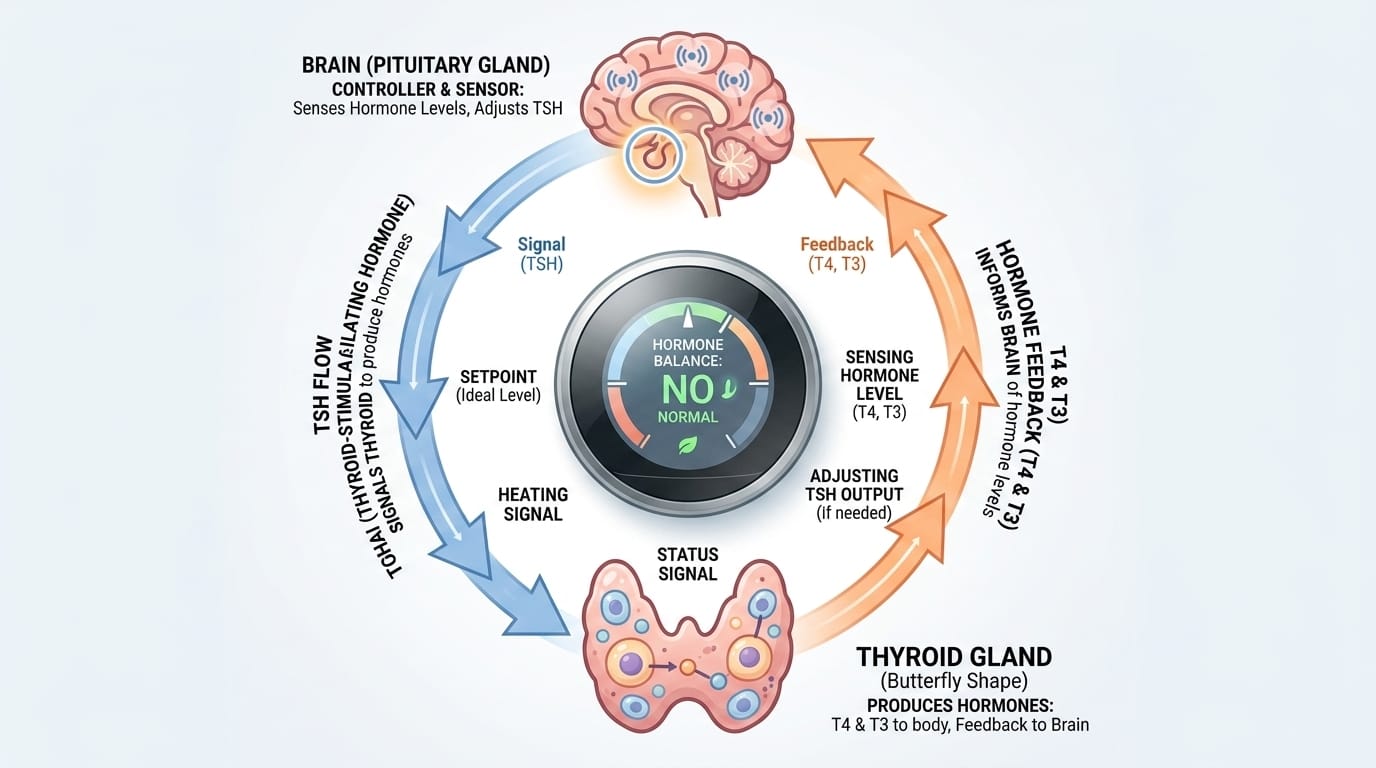
You can think of the thyroid system as your home’s central heating and cooling system:
The Sensor (The Pituitary Gland): Deep in the brain, a gland called the pituitary constantly checks the hormone levels in your child's blood. It sends out a chemical messenger called TSH (Thyroid Stimulating Hormone).
The Heater (The Thyroid Gland): When the thyroid receives the TSH message, it gets to work. It produces two main hormones, T3 and T4, which are released into the bloodstream.
The Feedback Loop: If the brain senses there is enough thyroid hormone, it stops sending TSH. If it senses there isn't enough, it sends more TSH to tell the thyroid to work harder.
Why Are Thyroid Hormones So Important?

Thyroid hormones touch almost every cell in your child's body. They control their metabolism - the way their body uses energy from food.
In infants and children, these hormones are absolutely critical for:
Brain Development: Ensuring healthy cognitive growth from pregnancy through childhood.
Physical Growth: Working alongside growth hormones to build strong bones and tissues.
Daily Function: Regulating heart rate, blood pressure, digestion, energy levels, and even how warm or cold your child feels.
To do its job, the thyroid needs iodine, a mineral we mostly get from our diet, specifically from iodized salt and certain foods.
When the Thermostat is Off: Common Thyroid Disorders
Sometimes, the feedback loop gets thrown off balance. Thyroid disorders can be inherited (passed down in families, which we often see here in the Middle East with our large, close-knit family trees) or they can happen spontaneously.
The two most common conditions we treat are:
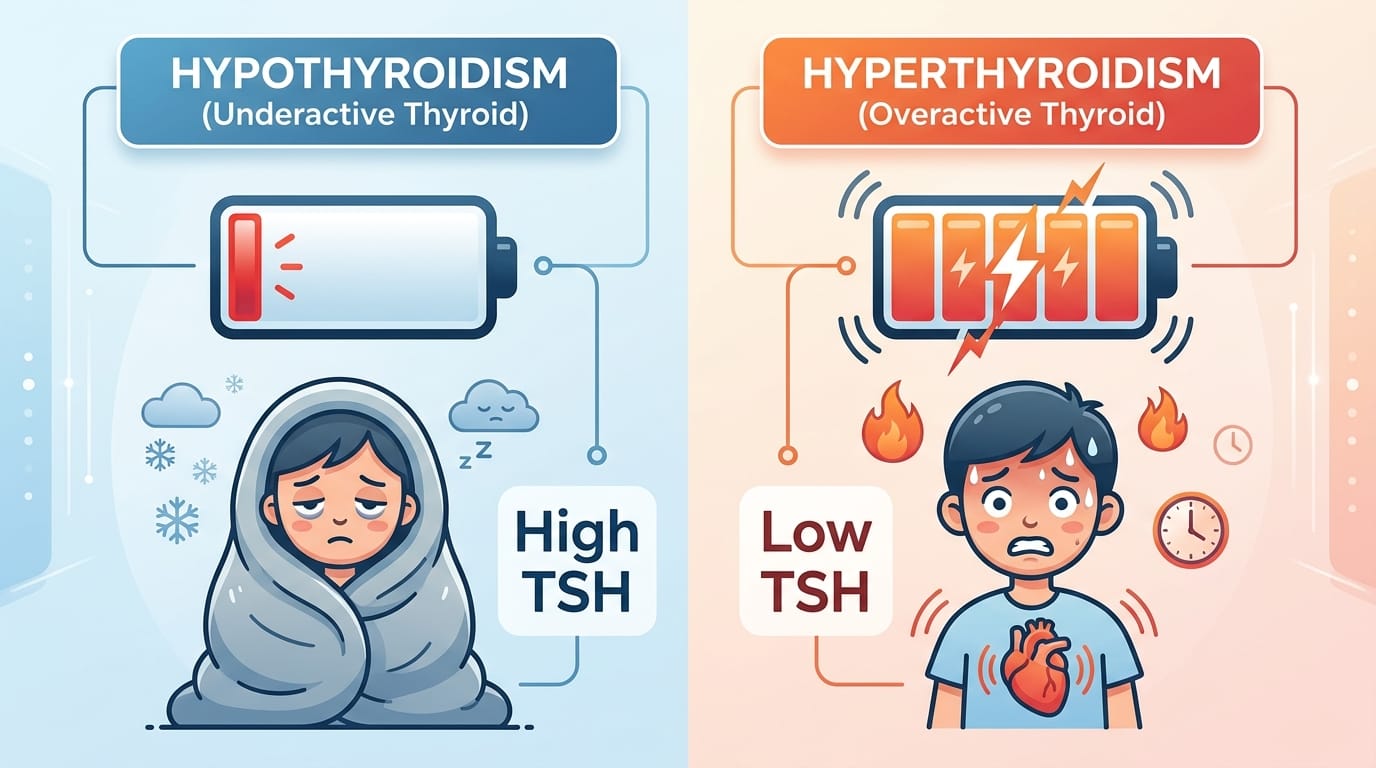
1. Hypothyroidism (Underactive Thyroid)
What it is: The thyroid isn't making enough hormone. To try and force it to work, the brain pumps out high levels of TSH.
What it looks like: Your child might feel constantly tired, feel cold when others are warm, experience constipation, or have delayed growth.
2. Hyperthyroidism (Overactive Thyroid)
What it is: The thyroid is making too much hormone. The brain senses this and stops sending TSH, so TSH levels become very low. The most common cause in children is an autoimmune condition called Graves’ disease.
What it looks like: Your child’s system is running in overdrive. They might have a rapid heart rate, feel constantly hot, lose weight despite eating well, or feel anxious and jittery.
Other Conditions We Monitor: While less common, we also evaluate and treat children for:
Thyroid Nodules: Small lumps or bumps on the thyroid gland.
Thyroid Cancers: Including Differentiated or Medullary thyroid cancer.
Rare Genetic Syndromes: Such as Multiple Endocrine Neoplasia type 2, DICER1 syndrome, or PTEN hamartoma tumor syndrome.
Can These Conditions Be Treated?

Absolutely. With proper medical care, the vast majority of pediatric thyroid disorders can be successfully and safely managed.
For hypothyroidism, treatment usually involves taking a daily supplement of synthetic thyroid hormone to replace what the body isn't making. For hyperthyroidism, we have several highly effective medications to calm the thyroid down and bring your child's system back into balance.
A Note from Dr. Marlin Nino
Here in Jordan, family is at the heart of everything we do. When your child isn't feeling their best, it impacts the whole family. Because thyroid symptoms, like fatigue, mood changes, or growth delays, can look like many other childhood phases, they are easily overlooked.
If you have a family history of thyroid issues, or if you simply feel in your heart that your child's energy and growth are off balance, we are here to help. Diagnosing a thyroid issue usually takes just a simple blood test. Once we know what we are dealing with, we can get your child back to growing, playing, and living life to the fullest.