Understanding Pediatric Diabetes & Insulin Resistance: A Guide for Parents
Hearing the words "diabetes" or "insulin resistance" in relation to your child can feel overwhelming. As a parent, your first instinct is to protect your little one, and a new diagnosis can bring up a lot of fear and questions.
Please take a deep breath. At our clinic, Dr. Marlin and our pediatric endocrinology team want you to know one vital thing right away: with the right care, children with diabetes and insulin resistance can live full, active, and completely normal lives. We are here to help you understand these conditions, remove any feelings of guilt or confusion, and partner with you to keep your child healthy.
The Basics: The "Key and Lock" System
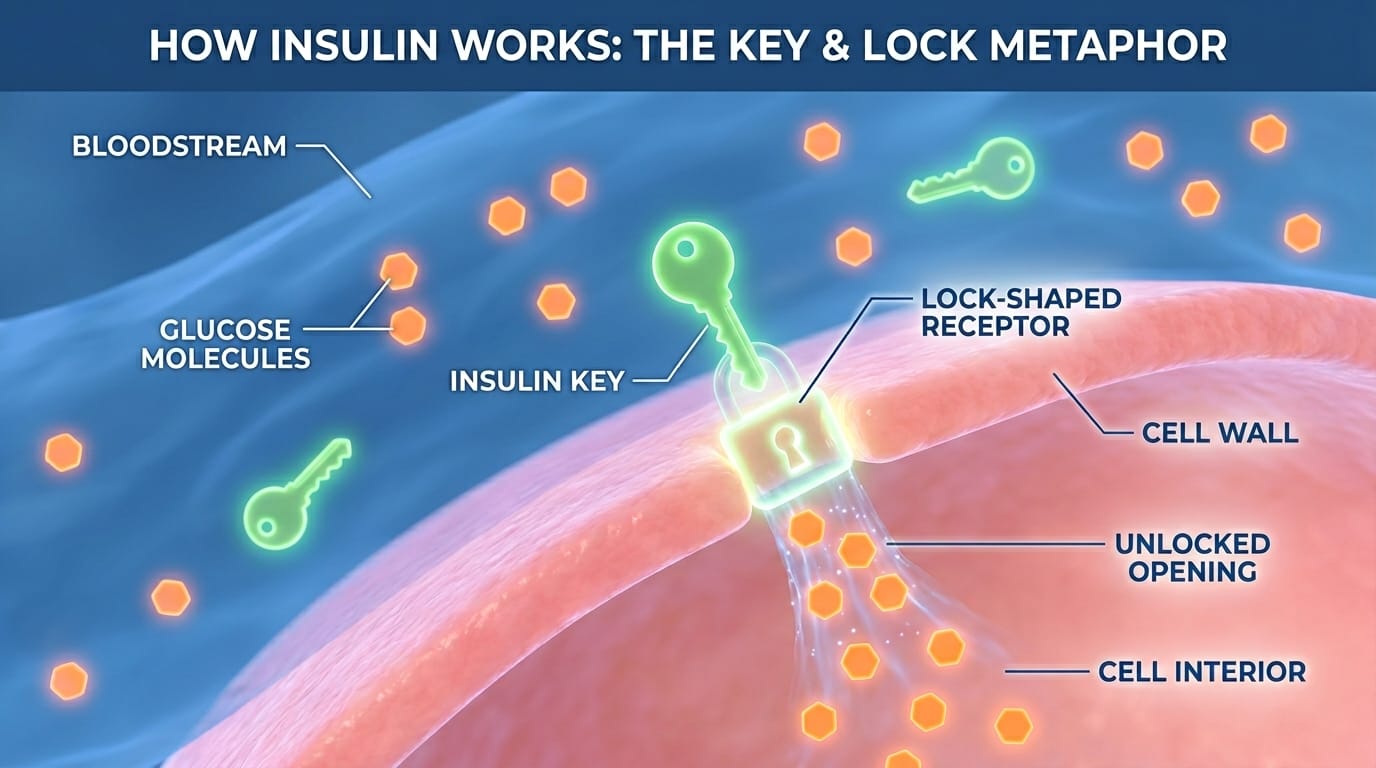
To understand diabetes, it helps to know how the body creates energy. When your child eats, their body turns food into a sugar called glucose, which travels through their blood.
To give your child energy, that glucose needs to get out of the blood and into the body’s cells. Think of the cells as tiny locked doors. The pancreas (an organ behind the stomach) makes a hormone called insulin. Insulin acts as the "key" that unlocks the doors, allowing the sugar to enter the cells and provide energy.
When a child has insulin resistance or diabetes, there is a problem with the keys, the locks, or both.
Insulin Resistance: When the Locks Get Stubborn
In Jordan and the wider Middle East, we are seeing a significant rise in insulin resistance among children. This is often due to a combination of our strong family genetics and modern lifestyle changes.
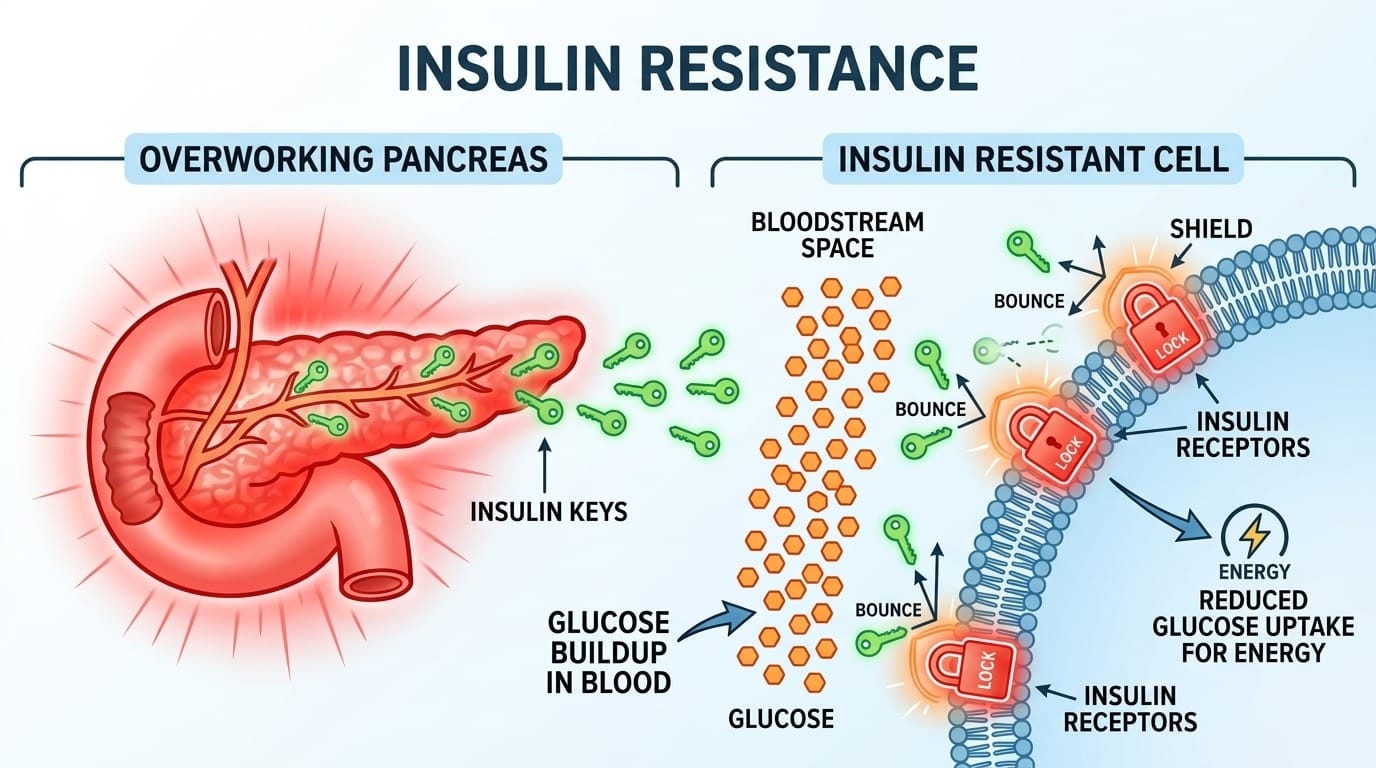
What it is: The body still makes insulin (the keys), but the cells (the locks) become stubborn and resist opening. To compensate, the pancreas works overtime, pumping out more and more insulin to force the doors open.
The Signs: Because the pancreas is working so hard, blood sugar levels might stay normal for a long time, making it hard to spot. However, one very common physical sign is Acanthosis Nigricans—dark, velvety patches of skin that appear on the back of the neck, armpits, or groin.
Why it matters: If left unchecked, the pancreas eventually gets exhausted and can't produce enough insulin anymore. This is when insulin resistance turns into Type 2 Diabetes.
Type 1 vs. Type 2 Diabetes: What is the Difference?
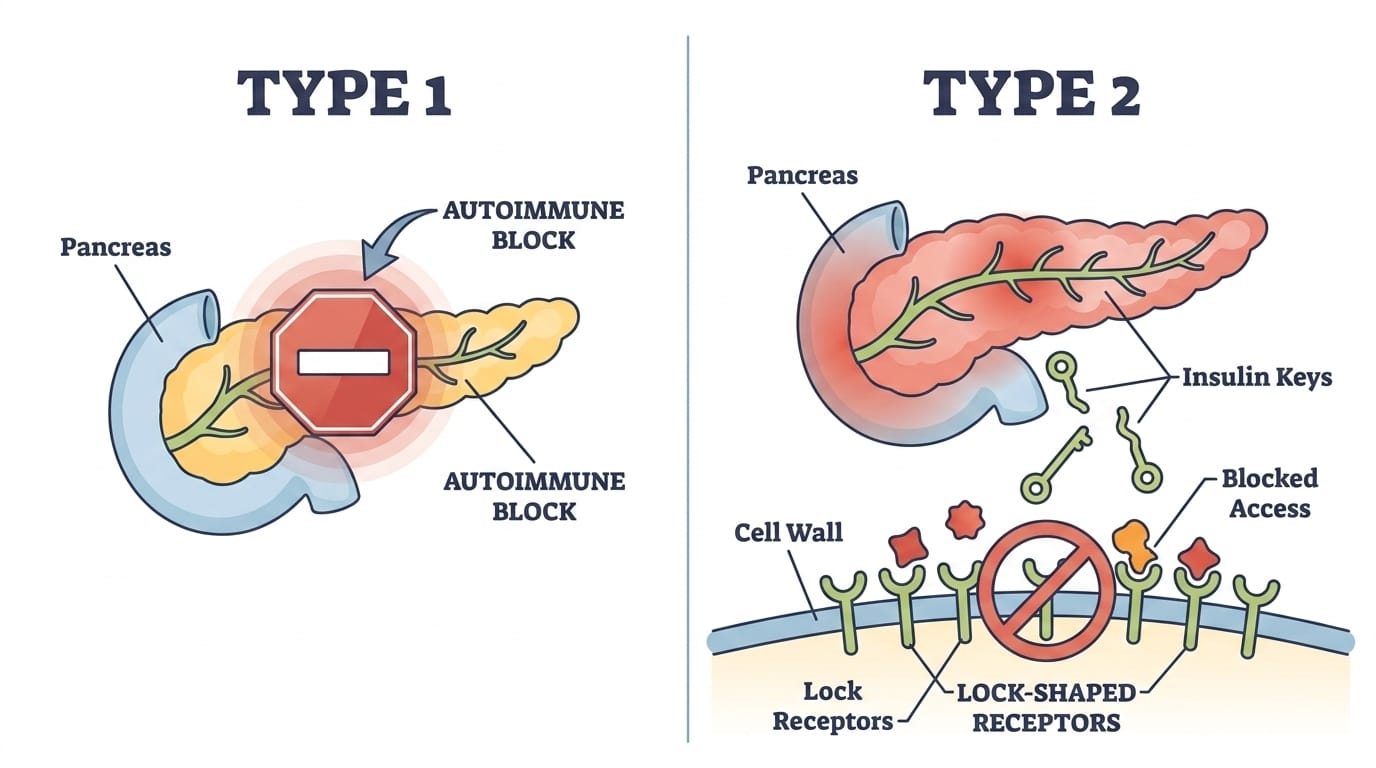
If blood sugar builds up in the bloodstream because it can't get into the cells, it results in diabetes. There are two main types in children, and it is very important to know the difference:
Type 1 Diabetes (No Keys)
The Cause: This is an autoimmune condition. For reasons we don't fully understand, the body’s immune system mistakenly attacks the pancreas, stopping it from making insulin entirely.
Important Note: Type 1 diabetes is nobody’s fault. It is not caused by eating too many sweets, and there is nothing you or your child did to cause it.
The Treatment: Because the body no longer makes keys, children with Type 1 need insulin given through tiny daily injections or an insulin pump.
Type 2 Diabetes (Not Enough Keys + Stubborn Locks)
The Cause: This usually develops from untreated insulin resistance. It is heavily linked to a family history of diabetes, carrying extra weight, and a lack of physical activity.
The Treatment: Type 2 can often be managed beautifully with healthy lifestyle changes, a balanced diet, and sometimes oral medications or insulin.
Spotting the Signs of Diabetes
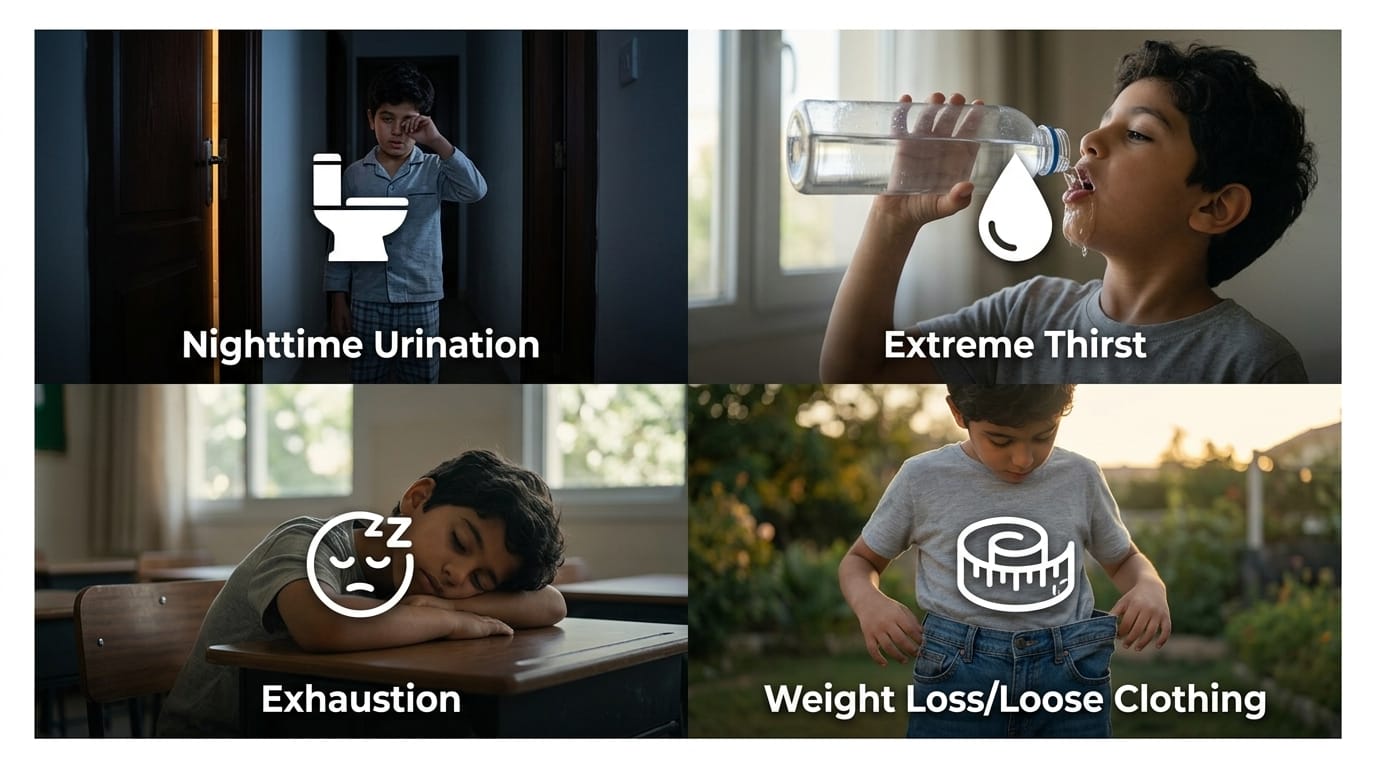
Whether it is Type 1 or Type 2, the signs of high blood sugar are similar. We teach parents to look out for the "4 T's":
Toilet: Going to the bathroom much more often than usual, including new bedwetting in a child who was previously dry.
Thirsty: Drinking excessive amounts of water but never seeming to quench their thirst.
Tired: Feeling constantly exhausted, grumpy, or lacking energy for play.
Thinner: Sudden, unexplained weight loss, even if they are eating well (especially common in Type 1).
If you notice these signs, please bring your child to the clinic right away. A simple, quick finger-prick test can give us immediate answers.
Moving Forward: How We Care for Your Child

A diabetes or insulin resistance diagnosis means a new routine, but it does not mean your child has to miss out on the joys of childhood.
If your child has Insulin Resistance or Type 2 Diabetes, we will work with your family on gentle, sustainable lifestyle changes. We focus on finding fun ways to move more and making smart, delicious nutritional choices that the whole family can enjoy together.
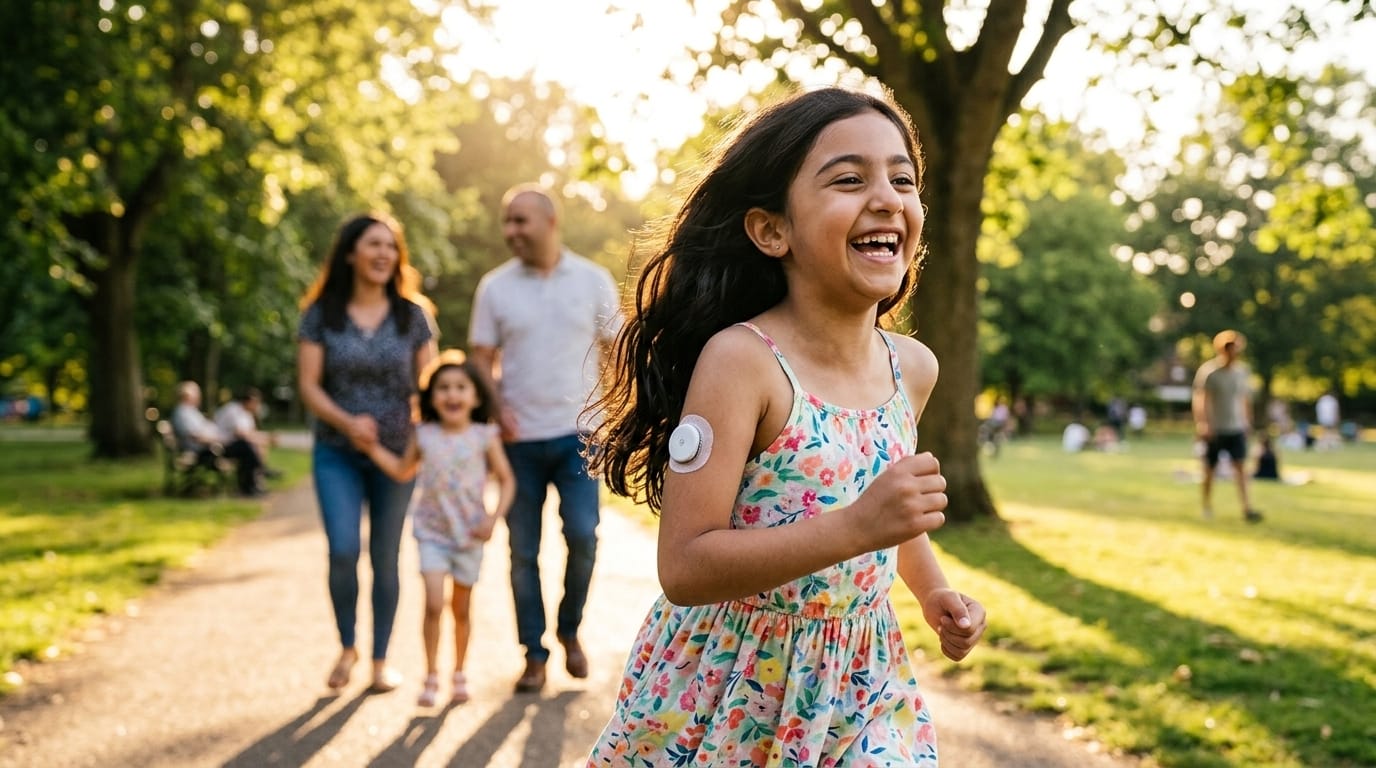
If your child has Type 1 Diabetes, we will become your child's "external pancreas." We will teach you how to easily monitor blood sugars and give insulin safely. The technology today—like continuous glucose monitors (sensors worn on the arm) and smart insulin pens—makes this easier and more painless than ever before.
A Note from Dr. Marlin Nino
Here in the Middle East, our lives revolve around family gatherings, celebrations, and sharing wonderful food. A diagnosis of insulin resistance or diabetes does not mean your child has to be excluded from these beautiful traditions.
We know that managing these conditions requires teamwork. You will never be alone in this. Our clinic is here to provide the medical expertise, the emotional support, and the practical daily advice you need. Together, we will make sure your child grows up strong, healthy, and happy.