
Understanding Growth Hormone Deficiency (GHD):
A Guide for Parents
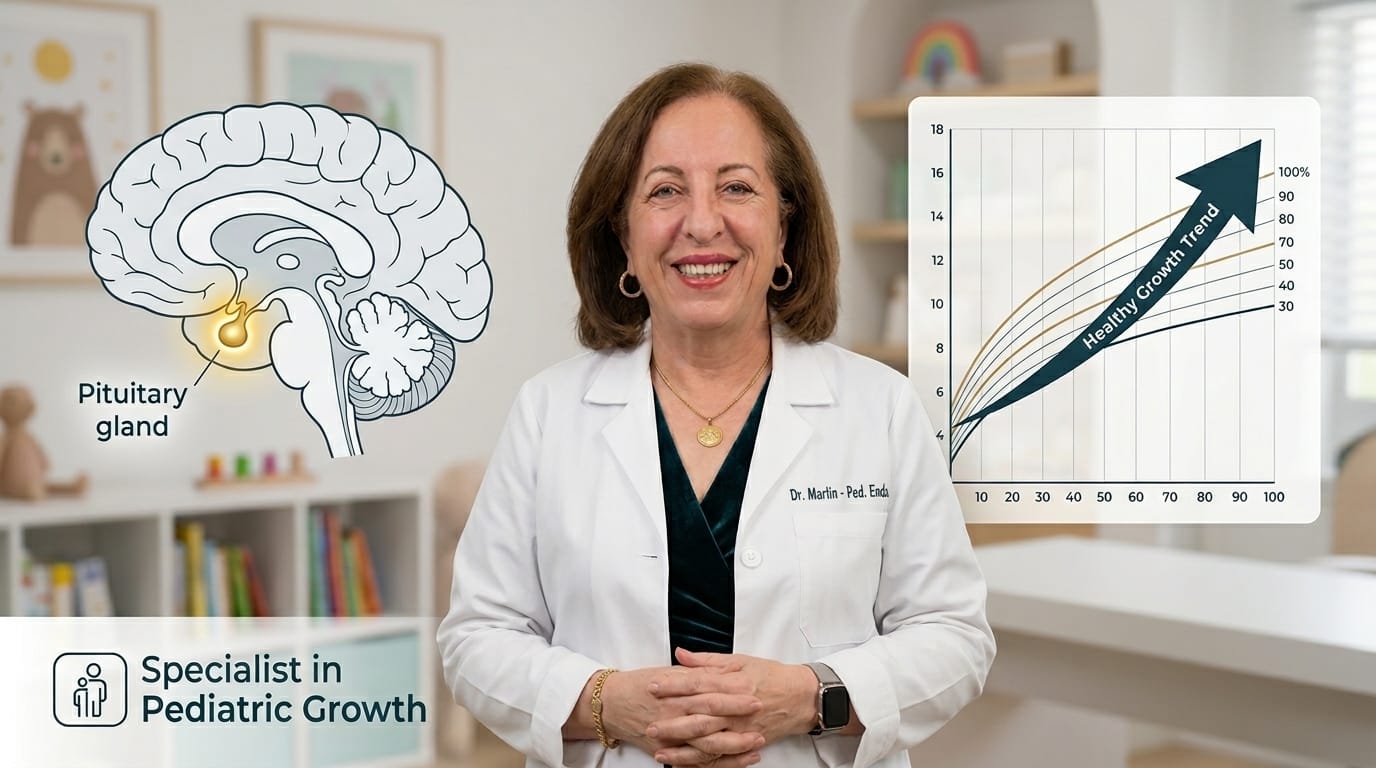
As parents, watching your child grow is one of your greatest joys. So, when you notice they seem smaller than their classmates or aren't outgrowing their clothes as quickly as expected, it is completely natural to feel concerned.
At our clinic, Dr. Marlin and our dedicated team are here to support you. We want to help you understand Growth Hormone Deficiency (GHD) so you can feel empowered and confident about your child’s health journey.
Spotting the Signs: Symptoms of GHD

The signs of GHD look a little different depending on when it begins. While some children are born with it, others develop it later.
In Infants and Children: The most common sign is slow growth. If your child is over three years old and growing less than 3.5 centimeters (about 1.4 inches) a year, it is a good idea to have them evaluated.
Other signs to look out for include:
Looking notably younger than other children their age.
Hair and nails that seem to grow very slowly.
Teeth taking a long time to come in.
A delay in the start of puberty.
In infants and toddlers, unexplained low blood sugar (hypoglycemia).
In newborn boys, an unusually small penis (micropenis).
In Adults: Note: While our clinic focuses on pediatrics, GHD can continue into adulthood or develop later in life. In adults, symptoms are often silent and include fatigue, increased belly fat, reduced bone density, anxiety, and an overall reduced sense of well-being.
Why Does This Happen? Understanding the Causes
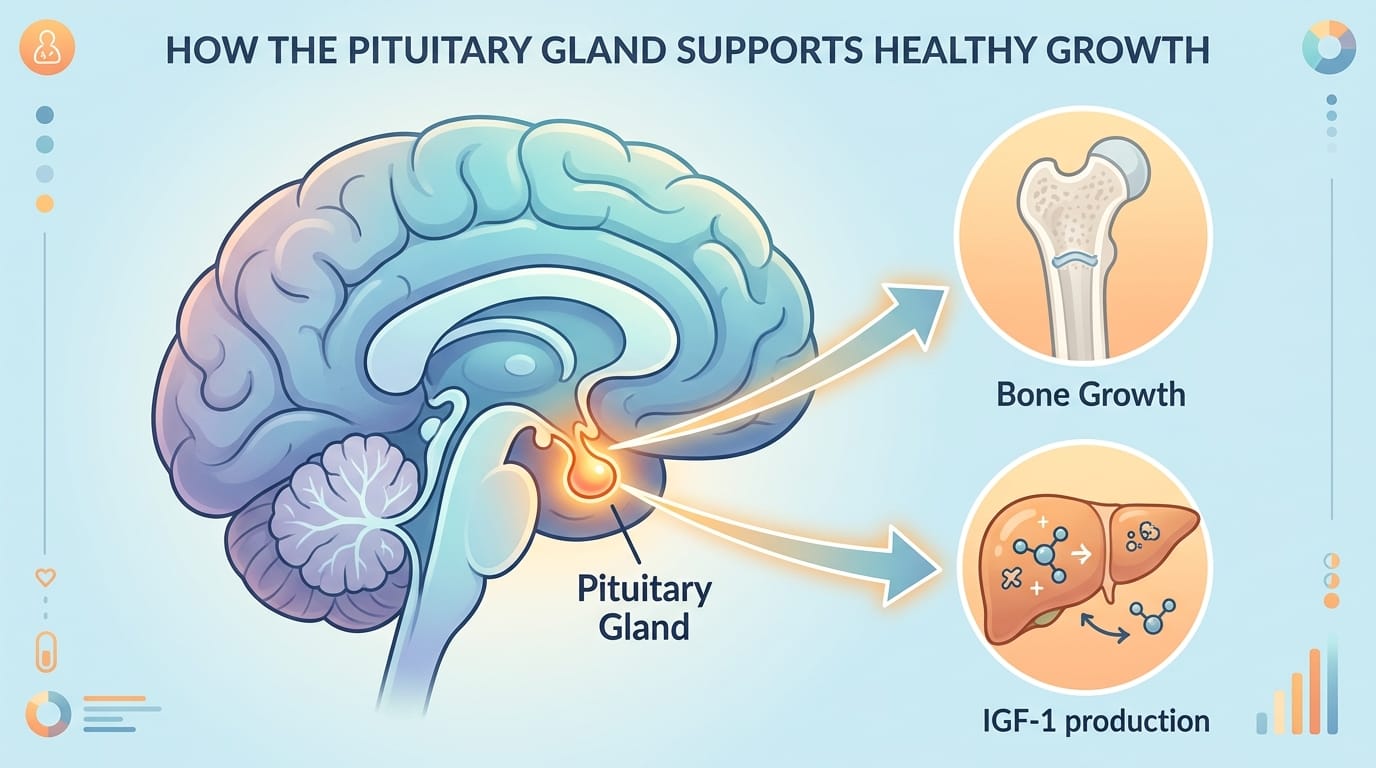
It is important to know that GHD is no one’s fault. Sometimes, the exact cause remains a mystery (doctors call this "idiopathic"). When we can pinpoint the cause, it usually falls into one of two categories:
1. Congenital GHD (Born with it) This happens when a child is born with genetic mutations that affect how their brain and body produce growth hormones. In the Middle East, where large, close-knit families and shared genetics are common, we sometimes see specific inherited patterns. Depending on the exact genetic type, your child might have no natural growth hormone at all, or just very low levels. Some of these conditions are also tied to physical signs, like a cleft palate.
2. Acquired GHD (Developed over time) This occurs when the pituitary gland—the tiny "control center" in the brain that releases growth hormone—gets damaged. This damage can happen to both children and adults due to:
Benign (non-cancerous) tumors in or near the pituitary gland.
Severe head injuries.
Brain surgeries or radiation therapy.
Infections in the central nervous system.
How We Find Answers: Diagnosis & Testing
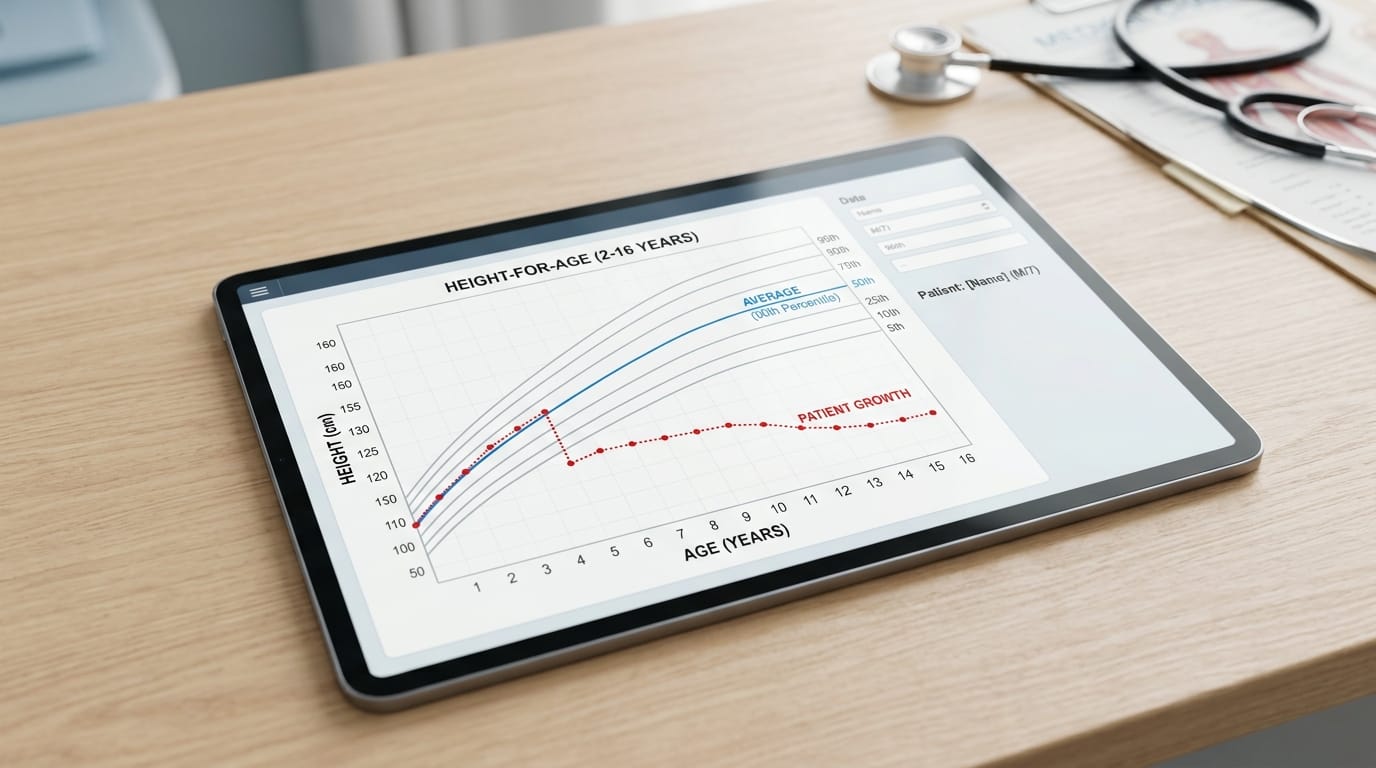
We typically see two main "windows" where parents bring their children in for evaluation:
Around age 5: When children start school and parents notice a height difference compared to classmates.
Ages 10 to 16: When a delay in the normal teenage growth spurt or puberty becomes noticeable.
To figure out exactly what is going on, Dr. Marlin will review your child’s growth charts and medical history. We want to rule out other common causes of slow growth, like celiac disease, thyroid issues, or simple undernutrition.
If we suspect GHD, we will walk you through a few gentle tests:
Bone Age X-Ray: A quick X-ray of your child's hand to see if their bones are growing at the expected rate.
Blood Tests: Simple tests to check levels of specific proteins linked to growth (like IGF-1).
Growth Hormone Stimulation Test: Because natural growth hormone levels bounce up and down all day, a standard blood test isn't enough. We will give your child a safe medication to "wake up" their pituitary gland, then check if the gland releases the right amount of hormone.
MRI Scan: A safe, painless picture of the brain to ensure the pituitary gland looks healthy.
Moving Forward: Treatment and Care
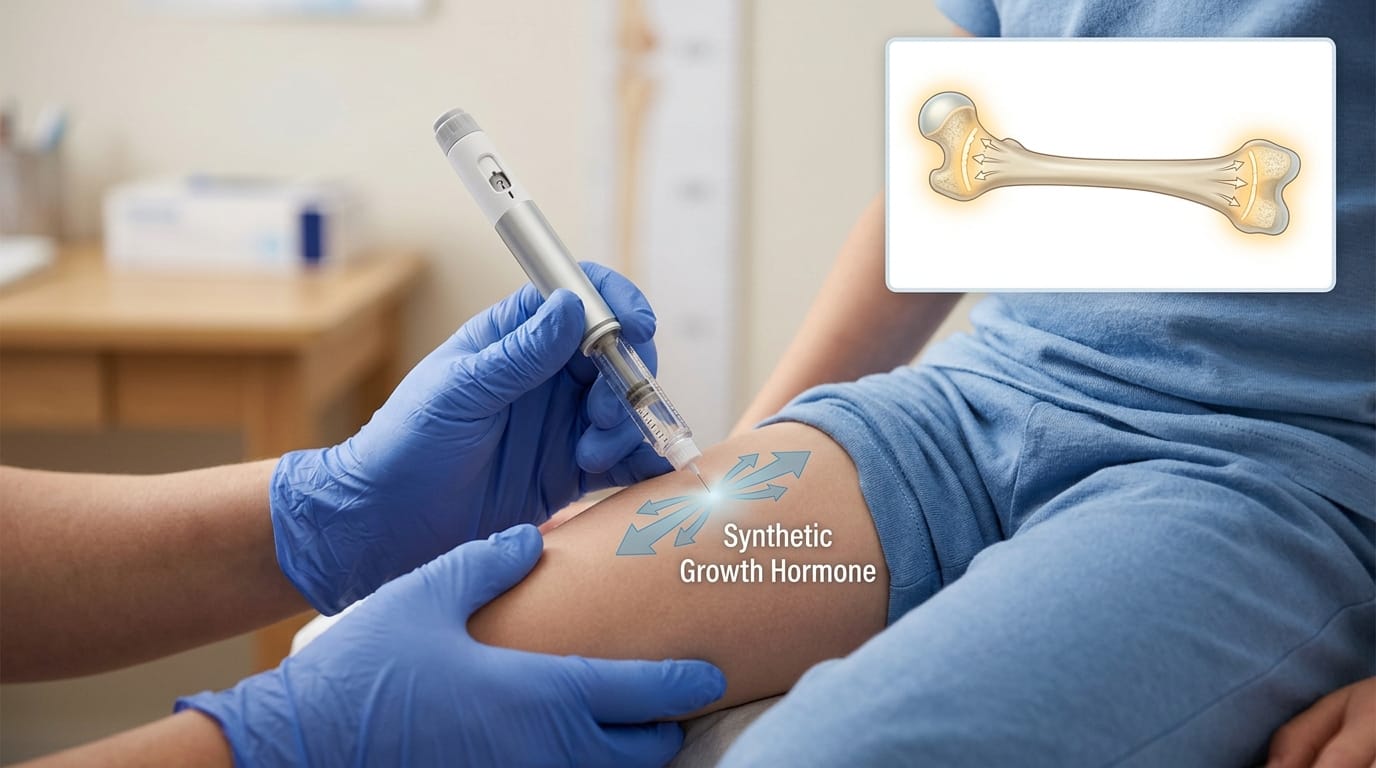
The primary treatment for GHD is straightforward and highly effective: synthetic growth hormone injections.
We understand that giving your child a daily shot at home might sound overwhelming at first. Please do not worry—the needles are incredibly tiny, and our team will teach you exactly how to do it safely and comfortably. Treatment usually lasts for several years, and we will see you regularly to adjust the dose as your child grows.
Are there side effects? Serious side effects are very rare. Occasionally, children might experience mild headaches, achy muscles, or slight swelling in their hands and feet. If your child experiences a severe headache or hip pain, let us know immediately so we can adjust their dosage.
A Bright Future: The Outlook

There is wonderful news for families dealing with GHD: early treatment works beautifully. When caught early, most children catch up and reach a near-normal adult height. It is common for children to grow up to 10 centimeters (4 inches) in their very first year of treatment, and another 7.5 centimeters (3 inches) or more each of the following two years!
A Note from Dr. Marlin Nino
Here in Jordan, family means everything, and we know your child’s health is your top priority. If you feel like your child is not growing as they should, trust your instincts and come see us. While slow growth is often just a temporary phase, finding out early if it’s Growth Hormone Deficiency gives us the best opportunity to help your child thrive.
You do not have to navigate this alone. My team and I are here to answer every question, ease your worries, and support your family every step of the way.