
Understanding Delayed Puberty: A Guide for Parents

Watching your child’s friends and classmates hit sudden growth spurts and develop into teenagers can be tough when your own child seems to be left behind. If your child is older than their peers but still looks and sounds very young, you might be worried that something is wrong.
At our clinic, we want to reassure you: the vast majority of the time, your child is simply a "late bloomer." However, because delayed puberty can cause a lot of emotional stress and impact a child's self-esteem, Dr. Marlin and our team are here to help you understand your child’s internal clock and provide a gentle push if needed.
What is Delayed Puberty?
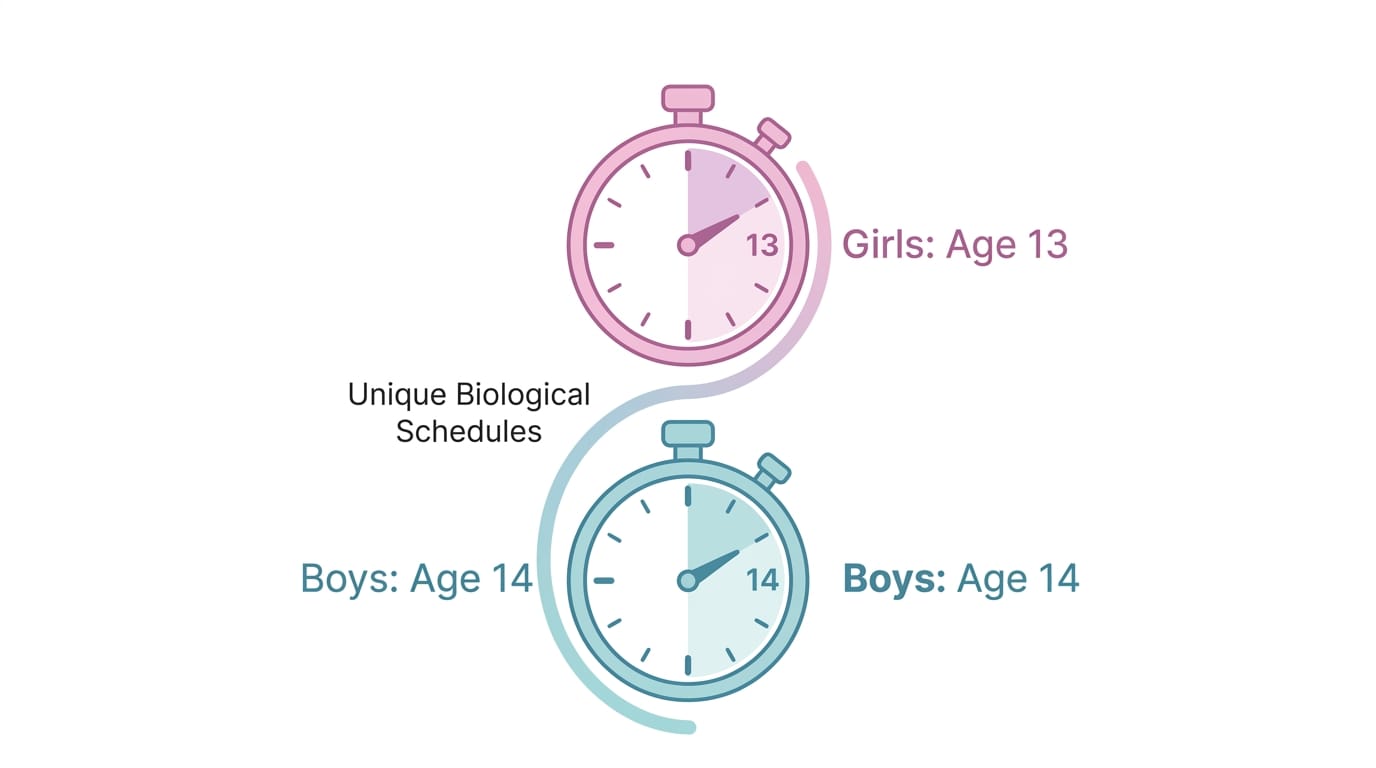
Puberty is a natural process, but everyone’s body has a slightly different schedule. We generally consider puberty to be "delayed" if there are no physical signs of it starting by:
Age 13 in Girls: No signs of breast development.
Age 14 in Boys: No signs of testicular enlargement or growth.
For both boys and girls, you might also notice that they are growing much slower in height compared to their friends, and they may be shorter than average for their age.
Why Does This Happen?

1. The "Late Bloomer" (Constitutional Delay) This is by far the most common cause, especially in boys. It simply means your child’s biological clock is running a bit behind schedule. In the Middle East, we often see this trait passed down through families. If a child’s father continued growing well into his late teens, or a mother got her first period at age 15, their child is very likely to follow that exact same pattern. Their bones are just younger than their actual age.
2. Medical or Hormonal Causes Less commonly, delayed puberty can be caused by an underlying issue that needs a little help, such as:
Chronic Illnesses: Conditions like celiac disease or severe asthma can temporarily pause growth.
Malnutrition or Intense Athletics: Not getting enough calories, or participating in intense, high-level sports (like gymnastics), can delay puberty, especially in girls.
Pituitary or Genetic Issues: Sometimes, the brain isn't sending the right signals to the ovaries or testicles, or there is an underlying genetic condition (like Turner Syndrome or Klinefelter Syndrome, which we also treat).
How We Find Answers & Help Your Child

To figure out if your child is just a late bloomer or if they need medical support, we usually start with:
A Bone Age X-Ray: A quick, painless X-ray of the left hand. If your 14-year-old child has the bones of an 11-year-old, it tells us they still have plenty of time to grow!
Simple Blood Tests: To check hormone levels and rule out any hidden conditions.
Treatment Options
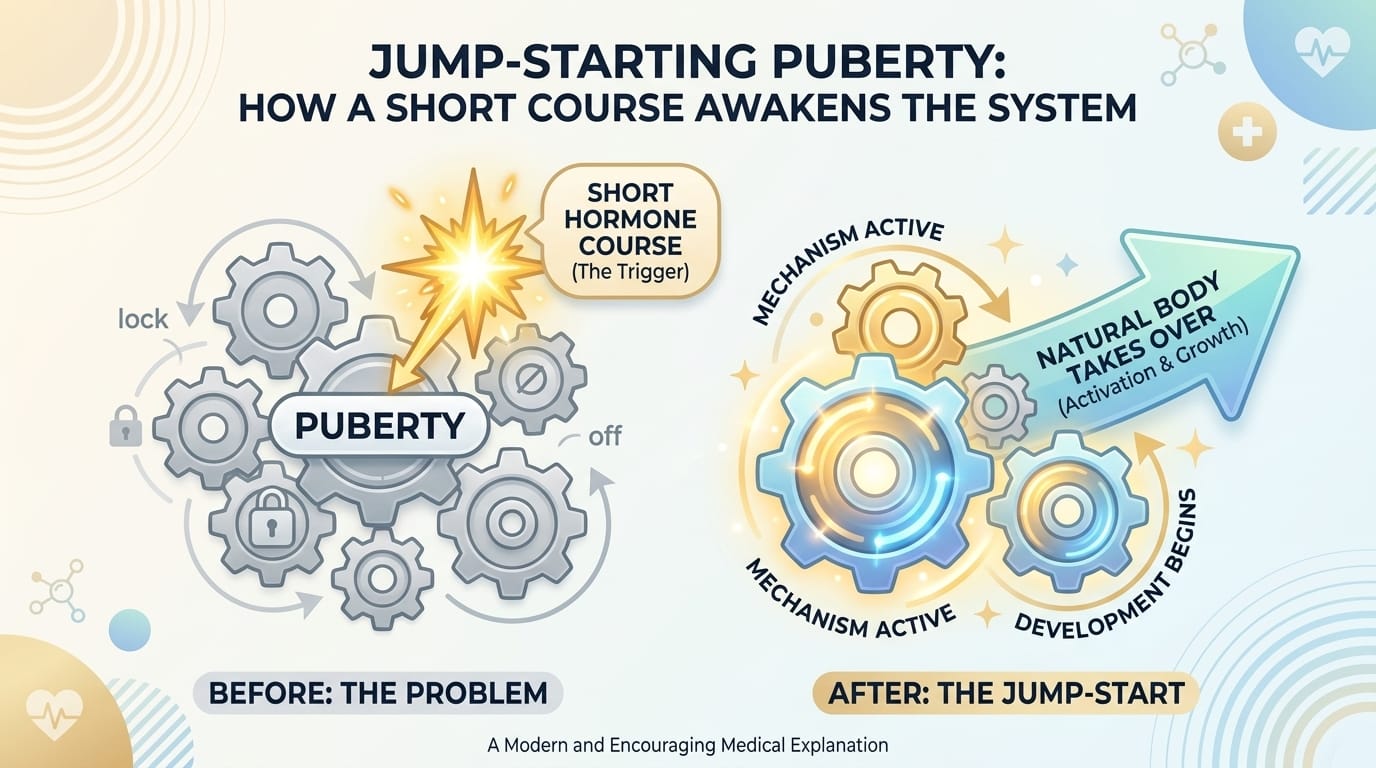
If your child is a healthy late bloomer but feeling deeply anxious or depressed about being the smallest in their class, we don't have to just "wait and see." We can offer a short, safe course of hormones (testosterone for boys, estrogen for girls) for a few months. This safely "jump-starts" the puberty process, gives them a confidence-boosting growth spurt, and then lets their own body take over the work.
A Note from Dr. Marlin Nino
The teenage years are hard enough without feeling like you are falling behind your friends. If your child is struggling emotionally because they look younger than their peers, please bring them in. A simple exam and an X-ray can provide incredible peace of mind for you, and we have wonderful, safe ways to help your child’s body catch up so they can focus on just being a happy, confident teenager.